
Life-Saving Mammograms
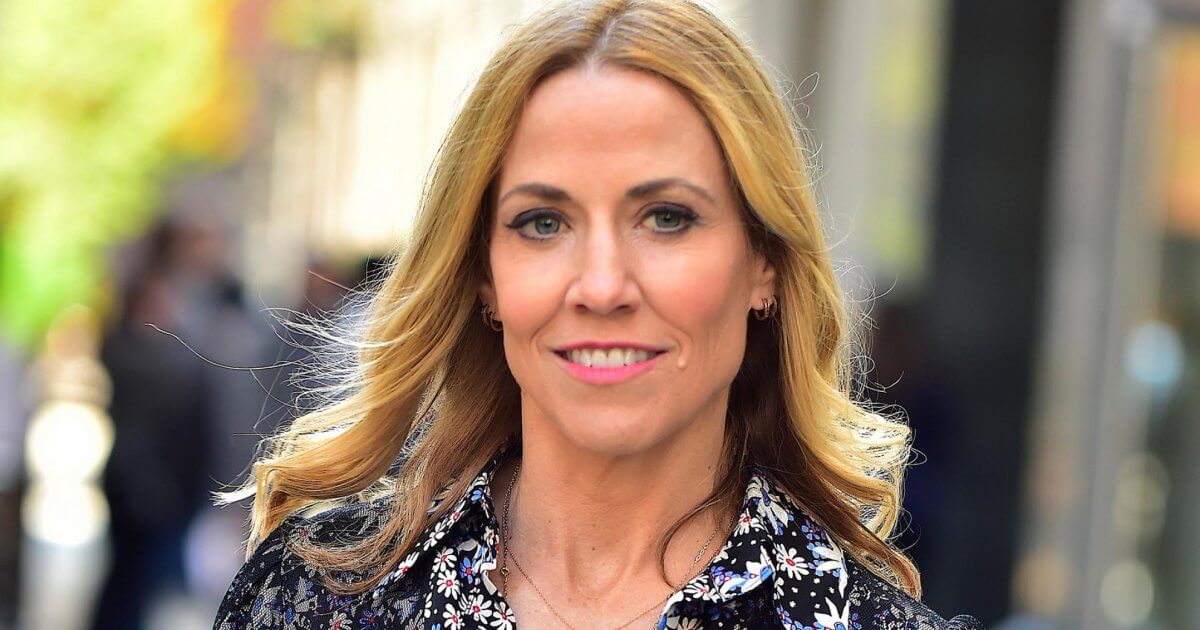
- Sheryl Crow penned an open essay emphasizing how important it is that women don’t skip their mammogram during COVID-19.
- Crow was diagnosed with breast cancer in 2006 thanks to a routine screening, which she says she almost skipped.
- Experts agree with Crow, and tell SurvivorNet, that women shouldn’t be afraid to visit their physician because facilities are taking extra precautions to keep patients safe.
Crow, 58, penned an open essay talking about her personal experience with breast cancer, and encouraging all women to be screened even during the COVID-19 outbreak. Crow says she was inspired to make this public service announcement when she heard that the National Cancer Institute believes 10,000 additional deaths could happen within the United States because of people delaying breast and colorectal cancer screenings during COVID-19. While the fear is understandable, Crow emphasizes that screening cannot be pushed to the aside, and health always needs to come first.
Read MoreCrow personally knows how mammograms can be life-saving resources, because she’s admitted that she nearly skipped the mammogram that ended up catching her breast cancer in 2006. She was diagnosed with stage zero breast cancer, and since it was caught so early, her treatment was successful.
“My story is a testament that you can go on to live a long, healthy life after diagnosis. As a breast cancer survivor who credits early detection with saving my life, I have made it part of my life's mission to help educate women about the importance of scheduling their annual mammograms,” Crow writes.
Mammograms Can Be Life-Saving
The COVID-19 outbreak has thrown many people’s lives out of whack, but experts tell SurvivorNet that no one should be afraid to visit their physician and get cancer screening, and facilities are working around the clock to make sure everything is safe for patients.
“Cancer has not gone away just because we’re in the middle of a pandemic,” Dr. Elizabeth Comen, a medical oncologist at Memorial Sloan Kettering Cancer Center, tells SurvivorNet. “Now that we have a little bit of a better hold on how to protect patients, how to disinfect, how to clean in between patients and scatter so that we’re not crowding our waiting rooms, it’s really, really important to remember to talk to your doctor about your screening mammogram or any other preventative tests that you may need.”
Related: New Guidelines Say Many Women Under 50 Can Skip Mammograms. That May Not Be The Best Advice
Mammograms are the most valuable tool in detecting breast cancer, where women between the ages of 45 and 54 are recommended to receive a screening at least once per year. However, if you’re younger, and know through your family history you may be at extra risk, it’s important to talk to your doctor about getting screened earlier. For women who have had a first-degree relative with breast cancer, the BRCA1 or BRCA2 gene mutation, or radiation on their chest, experts suggest women start mammograms as early as 30-years-old.
Dr. Connie Lehman explains when women should start scheduling mammograms
“We all agree regular screening mammography saves lives,” Dr. Connie Lehman, the Chief of the Breast Imaging Division at Massachusetts General Hospital in Boston, tells SurvivorNet. “Every doctor that I know, every organization that I know really encourages women to have a mammogram. I want to be completely clear. If you are between 50 and 74 and you have not had a mammogram in the last two years, you are overdue. Please get a mammogram.”
Learn more about SurvivorNet's rigorous medical review process.


